


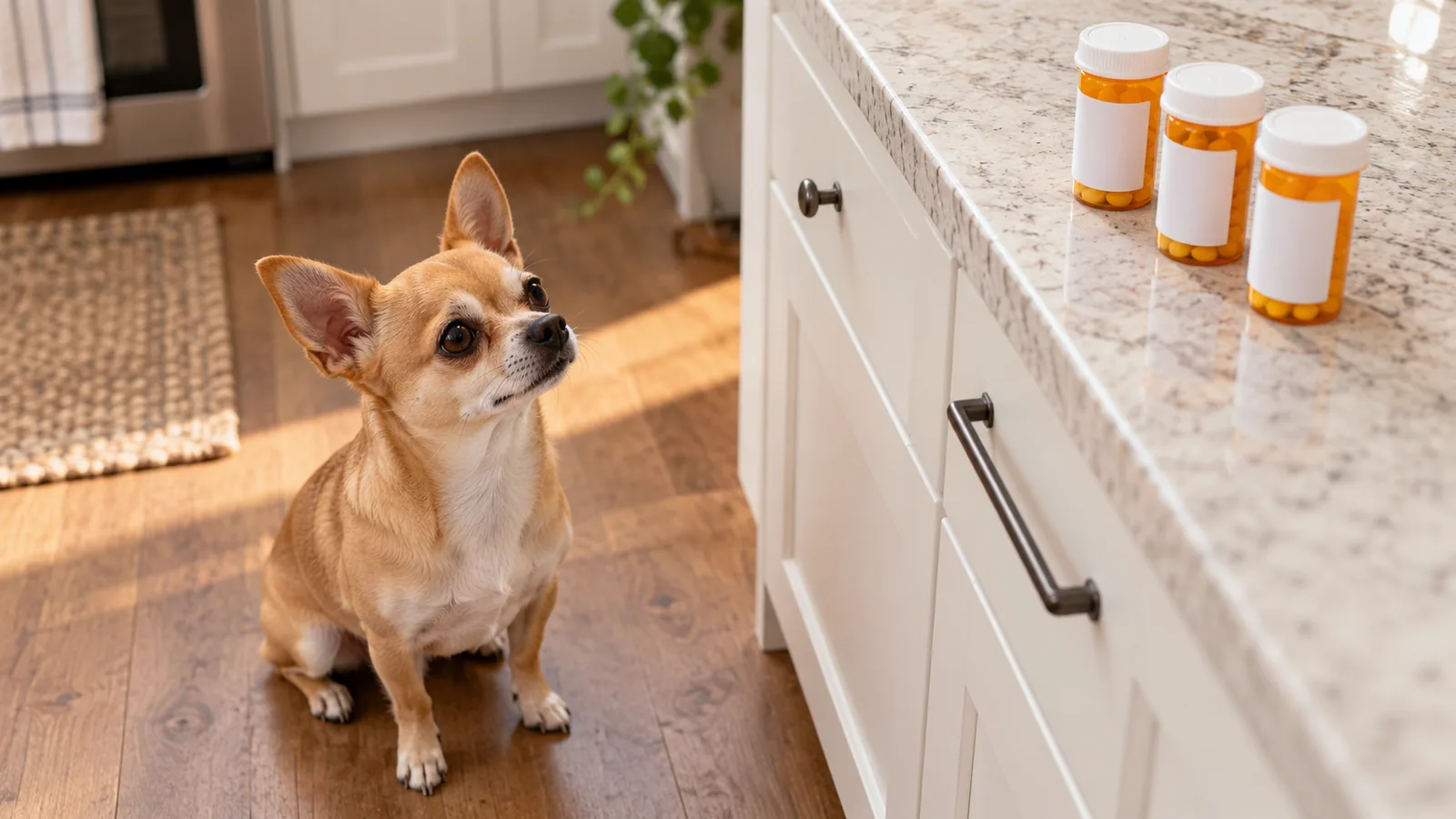
Slowing down is easy to write off as age, and it is also one of the first signs of heart disease in dogs and cats. Dogs tend to show it where you can see it, with less stamina on a walk, a soft cough, or a longer recovery after play. Cats hide it far longer, so the clues are quieter: more time sleeping alone, less interest in jumping up, or a new hiding spot. Catching those changes early matters, because heart disease found before a crisis is usually well controlled with daily medication.
What you notice at home is often the earliest evidence there is, and a resting breathing rate that is creeping up, a soft cough, or a shorter walk are all worth telling us about. At Milford Animal Hospital, that starts with an exam and a careful listen to the heart, followed when needed by chest X-rays and an echocardiogram. Breathing that is fast, labored, or open-mouthed at rest, a collapse, or hind-end weakness and crying out in a cat cannot wait, so bring your pet in for urgent care while our doors are open, or to an emergency hospital after we close. For the slower changes, book a visit at our AAHA-accredited hospital and we will tell you whether your pet needs treatment now or simply a recheck in a few months.
What Each Heart Medication Does
- Many dogs and cats with heart disease live comfortably for years on daily medication.
- Each drug has one job: pimobendan helps the heart squeeze harder, diuretics pull fluid off the lungs, and ACE inhibitors lower the pressure the heart pumps against.
- Whether to start medication comes from chest X-rays and an echocardiogram, not from how loud a murmur sounds.
- A breathing rate counted at home while your pet sleeps is the most useful number you can bring to a recheck.
What Kind of Heart Disease Do Dogs and Cats Get?
The diagnosis shapes every prescription, because a leaking valve, a thickened muscle wall, and a misfiring rhythm each need a different combination. Dogs usually have a valve problem; cats more often have trouble with the heart muscle itself.
Heart Conditions We See Most Often in Dogs
- Valve disease: Mitral valve disease accounts for most canine heart disease and means the valve no longer closes cleanly. It turns up in Cavalier King Charles Spaniels, Dachshunds, and toy Poodles, and its murmur is often audible years before a dog acts sick.
- Muscle disease: Dilated cardiomyopathy stretches and thins the muscle until it can't contract well, and it's diagnosed most often in Dobermans, Boxers, and Great Danes.
- Rhythm problems: Boxers are known for an arrhythmia that starts in the right side of the heart, and older Miniature Schnauzers for sick sinus syndrome, where the heart's own pacemaker pauses long enough to make a dog faint.
- Congenital defects: Patent ductus arteriosus is a vessel that should seal shut in the first days of life and doesn't, usually caught as a loud murmur at a puppy visit. Closing it early often gives a normal life expectancy.
Heart Conditions We See Most Often in Cats
- Muscle disease: Hypertrophic cardiomyopathy is the most common, a thickening of the wall of the heart's main pumping chamber that leaves less room for blood to fill it. Maine Coons, Ragdolls, and American Shorthairs are diagnosed more often than other breeds. Restrictive cardiomyopathy stiffens the muscle so the chamber can't relax, and dilated cardiomyopathy is much less common now that commercial diets are supplemented with taurine.
- Rhythm and congenital problems: Arrhythmias and defects such as a hole between two chambers are less common.
In cats, the first obvious sign is often sudden labored breathing, or a clot that lodges where the back legs get their blood supply and leaves a cat crying out and dragging their hind end.
Which Heart Symptoms Are an Emergency, and Which Can Wait?
The dividing line is whether you see the change at rest. Anything you notice while your pet is asleep or fully relaxed, especially breathing effort, needs same-day care. Changes that only show up with activity, like tiring early on a familiar walk or a cough after play, usually mean a visit in the next few days rather than tonight.
Signs Families Mistake for Getting Older
A cough at night, tiring halfway through a walk they used to finish easily, or faster breathing during sleep are all heart disease signs that look almost exactly like ordinary aging. Cats show less: more sleeping, a new hiding spot, less interest in jumping up. Stamina is what to watch in both species, because it fades well before appetite does.
The Signs That Need an Exam Today
Open-mouth breathing in a cat, pale or bluish gums, and a belly that heaves with every breath all signal respiratory distress, a same-day problem. A sudden collapse that passes in seconds and leaves a pet acting normal still needs an urgent exam, because the usual cause is an abnormal rhythm or a heart that briefly stopped moving enough blood to the brain. A sleeping dog or cat taking more than 40 breaths a minute belongs on this list too, even when nothing else looks wrong.
Skip the human cough syrup and the leftover antihistamine; neither touches a heart-related cough, and both make your pet harder to assess once they're here. Call on your way in so we're ready when you arrive.
When Does a Heart Diagnosis Turn Into a Prescription?
A diagnosis turns into a prescription when imaging shows the heart has started to change size or shape, or a tracing shows an abnormal rhythm. Murmur loudness is not the trigger. Murmurs are graded one through six by loudness, and the grade tracks poorly with how sick the heart is, so one found at a wellness visit needs imaging rather than a note to recheck next year. Heart murmurs in cats are even harder to read, since a cat with serious muscle disease can have no murmur at all.
Much of the heart disease we find in our Milford patients turns up on a visit that was about something else, when a chest exam catches a new murmur, an irregular beat, or a resting heart rate that has crept up, which is the argument for twice-yearly exams once a pet is a senior. We recommend bloodwork alongside those exams, because an overactive thyroid in cats and kidney changes in either species can imitate heart disease or narrow which medications are safe. A murmur in a young animal is a different conversation, and our Puppy and Kitten Wellness Plans include a careful listen at each visit, since some harmless murmurs fade within a few months and some congenital defects are correctable when found early.
Which Tests Answer the Question?
- Chest X-rays: show the heart's outline against the lungs and whether fluid is collecting where it shouldn't.
- Echocardiograms: measure each chamber and watch the valves move in real time, which separates a heart that's enlarging from one holding steady.
- EKG: traces the heart's electrical signal and names the rhythm when a beat sounds uneven.
- Holter monitoring: sends a pet home wearing a small recorder that captures every beat for 24 hours, which catches the abnormal rhythms that come and go and that a few minutes of in-clinic tracing misses.
Why Is My Pet on Three Medications Instead of One?
A failing heart has several problems at once, and the common heart disease medications each solve a different piece. The list isn't fixed: a dose goes up, a drug gets added when fluid returns, and occasionally one comes off when a recheck shows it's no longer needed.
What Does Pimobendan Do?
Pimobendan helps the heart muscle contract more forcefully while relaxing the vessels it's pumping into, so less effort produces more output. In one study, starting pimobendan once a dog's heart had begun to enlarge, before any cough or breathing change, pushed heart failure back by roughly 15 months compared with waiting for symptoms. Dogs generally tolerate it well, and families often describe better stamina within a few weeks. Some cats take it too, though the evidence in cats is thinner.
What Should I Expect When My Pet Starts a Diuretic?
Furosemide moves fluid out of the lungs by way of the kidneys, and the first thing most families notice is a pet drinking and urinating far more than before. Indoor accidents are common early on, so plan extra trips outside and an extra litter box. Spironolactone is a milder diuretic that works on a different pathway and also blunts hormone signals that scar heart muscle over time, so the two are often prescribed together. Both shift potassium and lean on kidneys that may already be working hard, so we'll recheck bloodwork to see whether the dose is right. Call if your pet stops drinking, gets wobbly, or quits eating on a diuretic.
What Do ACE Inhibitors Add?
ACE inhibitors, usually enalapril or benazepril, interrupt a hormone cascade that tightens blood vessels and tells the body to hold onto salt and water. On their own they do little for a weak contraction, so they're paired with the other drugs. Systemic hypertension, or high blood pressure, often travels alongside cardiac and kidney disease, and pressure that stays high makes the heart pump against resistance it doesn't need. We check blood pressure when needed, especially in cats.
When Are Beta-Blockers Part of the Plan?
Beta-blockers, atenolol and sotalol most often, slow the heart and steady an electrical signal firing too fast or out of order. They help cats whose thickened muscle is obstructing blood leaving the heart, and dogs with specific arrhythmias caught on a tracing. Dosing starts low and climbs slowly, because slowing a heart already struggling to move enough blood can backfire, and these drugs are generally avoided while a pet is in active fluid overload. We recheck an EKG with each dose increase.
How Do I Monitor My Pet's Heart Disease at Home?
A resting breathing rate is the single most useful thing you can track, and a few counts a week beats an attempt at a perfect daily log. It climbs when fluid starts collecting in the lungs, often before you can see any change in how your pet looks or acts, so the trend across a week tells us more than any single count.
What Is a Normal Sleeping Breath Count?
A resting respiratory rate only counts when your pet is asleep or completely relaxed, not just back from the yard, and most healthy dogs and cats sit comfortably under 30 breaths a minute. Watch the chest rise and fall for 30 seconds and double it, or take a full minute if the rhythm is uneven. Keep the numbers in your phone so you can read them to us at a recheck.
| Resting breaths per minute | What it suggests | What to do |
| Under 30 | Fluid well controlled | Keep logging a few times a week |
| 30 to 40 | Something may be shifting | Recount in the morning, then call us |
| Over 40, or climbing several days running | Fluid may be collecting in the lungs | Call us that day |
| Over 60, or any visible effort | Breathing distress | Come in right away or go to the nearest ER |
Which Other Changes Matter Between Visits?
- Weight: Weekly weigh-ins catch two opposite problems: fluid collecting in the abdomen, and the muscle loss that comes with advanced disease. A bathroom scale works for cats and small dogs; for a big dog, weigh yourself, pick them up, and subtract your own weight.
- Appetite: A cat who skips meals for a full 24 hours needs a call rather than another day of watching, because a cat who stops eating can develop a liver condition called hepatic lipidosis.
- Coughing: Write down when it happens, since a cough that shifts from after-exercise to the middle of the night is a change, not a bad night.
What If My Pet Fights the Pills, or I Miss a Dose?
A missed dose is usually not a crisis. Give it when you remember if you catch it within a few hours, skip it if the next one is close, and never give two at once to make up the difference. If a dose comes back up because your pet vomited, call rather than guessing.
Don't stop a heart medication because your pet seems back to normal, since the medication is part of why they are. Never give a human heart or blood pressure medication to a pet, and check with us before adding an over-the-counter supplement. Many of these medications can be compounded into flavored liquids, smaller capsules, or treat-sized chews, so if dosing has become a daily struggle, reach out and we'll look at the other forms your pet's prescription comes in.
What Happens as Heart Disease Progresses?
Heart disease moves through stages, and the medication list grows as it does. Congestive heart failure is the point where a struggling heart lets fluid back up into the lungs or the abdomen, and the plan shifts toward clearing that fluid and lightening the heart's load.
- At risk: a predisposed breed or a murmur, with a normal heart size. Rechecks and imaging, no medication yet.
- Enlarged with no symptoms: chambers measurably bigger on X-ray and echo. Pimobendan typically starts here.
- A first failure episode: fluid backing into the lungs, fast breathing, and coughing. A diuretic is added, sometimes with a hospital stay.
- Advanced: fluid returns on current doses. Higher or additional doses, and closer rechecks.
Plenty of pets spend a long stretch in that enlarged but comfortable stage, and many come home from a first fluid episode looking like themselves within a few days. For some pets there comes a point where medication no longer keeps them comfortable, and the conversation shifts from doses to quality of life. We provide quality-of-life and end-of-life care, and that conversation is easier to have early, while there's nothing urgent about it.
Heart Medication Questions We Hear Most Often
My dog has a murmur but no medication. Is that a mistake?
A murmur with no prescription behind it is often exactly right. Many dogs live for years with a leaking valve and a normal-sized heart, and starting drugs before the chambers enlarge hasn't been shown to help. It does require periodic imaging, because treatment changes the moment the heart starts to stretch. If a murmur was noted a year or more ago and nothing has been measured since, book that imaging now.
Is a cough always a sign my dog's heart is getting worse?
A cough doesn't always mean the heart is losing ground. An enlarged heart can press on the airway sitting above it and produce a dry cough with no fluid involved, and a collapsing trachea, bronchitis, or lung disease can sound much the same. Chest X-rays sort this out quickly, since fluid in the lungs looks nothing like a squeezed airway.
Can diet or supplements replace heart medication?
Nutrition supports a cardiac plan but can't replace it. Moderate sodium restriction, enough calories to hold muscle, and adequate taurine in cats all matter, and some pets benefit from fish oil. None of that pulls fluid off the lungs or strengthens a weak contraction. A few supplements also interact with diuretics and ACE inhibitors or push potassium in the wrong direction, so bring the bottle to a recheck before you start it.
Keeping Your Pet Comfortable While Managing Heart Disease
A heart diagnosis is frightening to hear, and most of the work that follows happens at home in small, manageable steps, with us adjusting the plan as we go. Many dogs and cats whose heart disease is caught early go on to have comfortable years. If your pet has a murmur we've mentioned before, a new cough, or a bottle of heart medication nobody has explained, book a cardiac evaluation at Milford Animal Hospital and we'll go through the plan with you.




Leave A Comment